




Always Visit www.NaijaCover.Com
Posted By Udokabestluv On February 1st, 2024
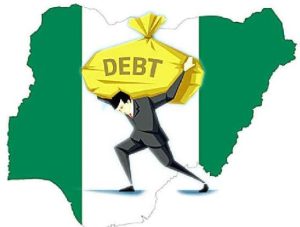

Nigeria’s debt service-to-revenue ratio dropped to the lowest in four years for the first nine months of 2023 largely on the back of the federal government reforms, a BusinessDay analysis shows.
BusinessDay analysis of the data from the Budget Office of the Federation shows that debt servicing bill in Africa’s biggest economy gulped 66.9 percent (N5.79 trillion) of total revenue of N8.65 trillion in the first nine months, lower than 99.3 percent (N4.23 trillion) in the same period of 2022.

Experts say the fuel subsidy removal and the unification of all segments of the foreign exchange market, which have increased revenue inflows for the government, have also improved the fiscal space and the allocation of more funds for capital projects to boost economic growth.
“Last year was a reverse from the previous trends because revenue growth was driven by the removal of oil subsidy and the unification of the foreign exchange mark.” Adeola Adenikinju, a professor of economics and president of the Nigerian Economic Society, said.
He added that the government will now have more revenue to undertake more activities either in terms of infrastructure or commitments to contractors and workers.
Damilare Asimiyu, macroeconomic strategist and head of investment research at Afrinvest West Africa Limited, said the interest that was meant to be paid on Ways and Means debt was suspended because of the securitisation of loans from the Central Bank of Nigeria (CBN).
“So, there should be more funds for the government to increase the capital budget because that has always been the sacrificial lamb. They will now have good headroom to increase allocation to capital projects,” he said.
Since President Bola Tinubu announced petrol subsidy removal during his inauguration on May 29, pump prices have tripled to N617, while the value of the naira has plunged following the floating of the currency.
In June, the CBN merged all segments of the FX market into the Investors and Exporters window and reintroduced the willing buyer, willing seller model.
The naira has continued to depreciate against the dollar and other major foreign currencies since then.
The official exchange rate fell from N463.38/$ to N1,348.6/$ as of Monday. At the parallel market, the naira is now pushing above N1,500/$ from 762/$.
“The reforms have had a major impact on revenue even though they are creating hardship for people. But it has improved the fiscal space and it is likely to improve more by the time we begin to see the impact of the reforms around tax and independent revenue,” Muda Yusuf, chief operating officer of the Centre for the Promotion of Private Enterprise, said.
Source: https://businessday.ng/business-economy/article/nigerias-debt-service-to-revenue-ratio-hits-4-year-low/
Share this:

Discover more from NaijaCover.Com
Subscribe to get the latest posts sent to your email.